HAPPY MEDICS · ACUTE MEDICINE & DIAGNOSTIC REASONING
Medical education that starts where the patient starts.
Practical frameworks to help make sense of the patient in front of you.
Patients present with symptoms, not diagnoses.
Most doctors pattern match a diagnosis and then reason backwards to see if it makes sense.
Happy Medics teaches doctors how to approach these presentations systematically and reason forward from the presenting complaint.
CPD-accredited teaching · Real clinical cases · Grounded in NICE/SIGN/BSG/BTS/ESC/ERS Guidelines
01 A DIFFERENT APPROACH TO MEDICAL EDUCATION
The interesting part of medicine isn’t always the answer. It’s how you get there.
Think about the clinicians you’ve learnt the most from.
Often, what makes their teaching valuable isn’t simply that they know the diagnosis. It’s how they explain their thinking.
- Why they considered one possibility over another.
- Which findings influenced their decisions.
- What they did when the investigations didn’t support their initial impression.
- And how they brought everything together into a practical management plan.
At Happy Medics, we believe that reasoning deserves to be taught just as deliberately as clinical knowledge.
That’s why our teaching combines the medicine itself with the process of applying it.
02 OUR APPROACH
Learn the medicine. Understand the decisions.
01
Understand the underlying medicine
We connect clinical presentations to the physiology, pathology and evidence that explain them.
Not just the features you need to remember, but the mechanisms that make those features meaningful.
02
Develop structured clinical reasoning
Learn how to organise clinical information, interpret investigations and work through competing diagnostic possibilities.
Our symptom-first frameworks make the reasoning process more explicit without replacing clinical judgement.
03
Apply what you’ve learnt
Knowledge becomes more useful when you can put it into practice.
Through clinical cases, worked examples and live discussions, we explore how clinicians assess uncertainty and make decisions as new information becomes available.
Medical education should help you develop the way you think, not simply increase the amount you know.
03 Learn with Happy Medics
Find the right place to start.
Whether you’re developing core investigation skills or looking for a more systematic approach to acute medicine, the aim is the same: useful teaching that translates into clinical practice.
THE FLAGSHIP PROGRAMME
Acute Medicine Course
A systematic approach to the acute take.
Our flagship programme brings together comprehensive acute medicine teaching, structured diagnostic frameworks and clinical case discussions.
Learn how to approach common presentations such as breathlessness, chest pain, sepsis, headache, gastrointestinal bleeding, collapse and electrolyte disturbances.
The Complete programme includes:
Designed for doctors who want to develop a more organised approach to assessing, investigating and managing acute medical patients.
FREE CLINICAL TEACHING
Build your understanding, one clinical problem at a time.
Not ready to commit to a course? Start with the Happy Medics newsletter.
Each month, we explore real clinical cases, findings from diagnostic reasoning research and practical perspectives on clinical judgement — in a format you can read between shifts.
MORE LEARNING ON THE WAY
Focused courses in ECG and chest X-ray interpretation are in development, with further diagnostic reasoning education planned. Follow the newsletter to hear when they launch.
04 WHAT OUR LEARNERS SAY
Teaching that connects with clinical practice.
Doctors at different stages of training have highlighted the clarity, structure and clinical relevance of our teaching.

“Very clear and thorough teaching, excellently presented.“
Dr Chandrabose
Renal Registrar
“It’s an essential course for all transitioning medics. It helped me to think independently and focus on patholophysiology of topics.”
Dr Adams
GPST
“The course is structured in extremely good way and covers all pathologies doctors do not want to miss on take. The frameworks are well-written and presented. Dr Kazie’s course is engaging and comprehensive.”
Dr Rymberg
IMG
92.9%
of surveyed learners said the Acute Medicine Course exceeded or far exceeded their expectations.
05 MEET YOUR EDUCATOR
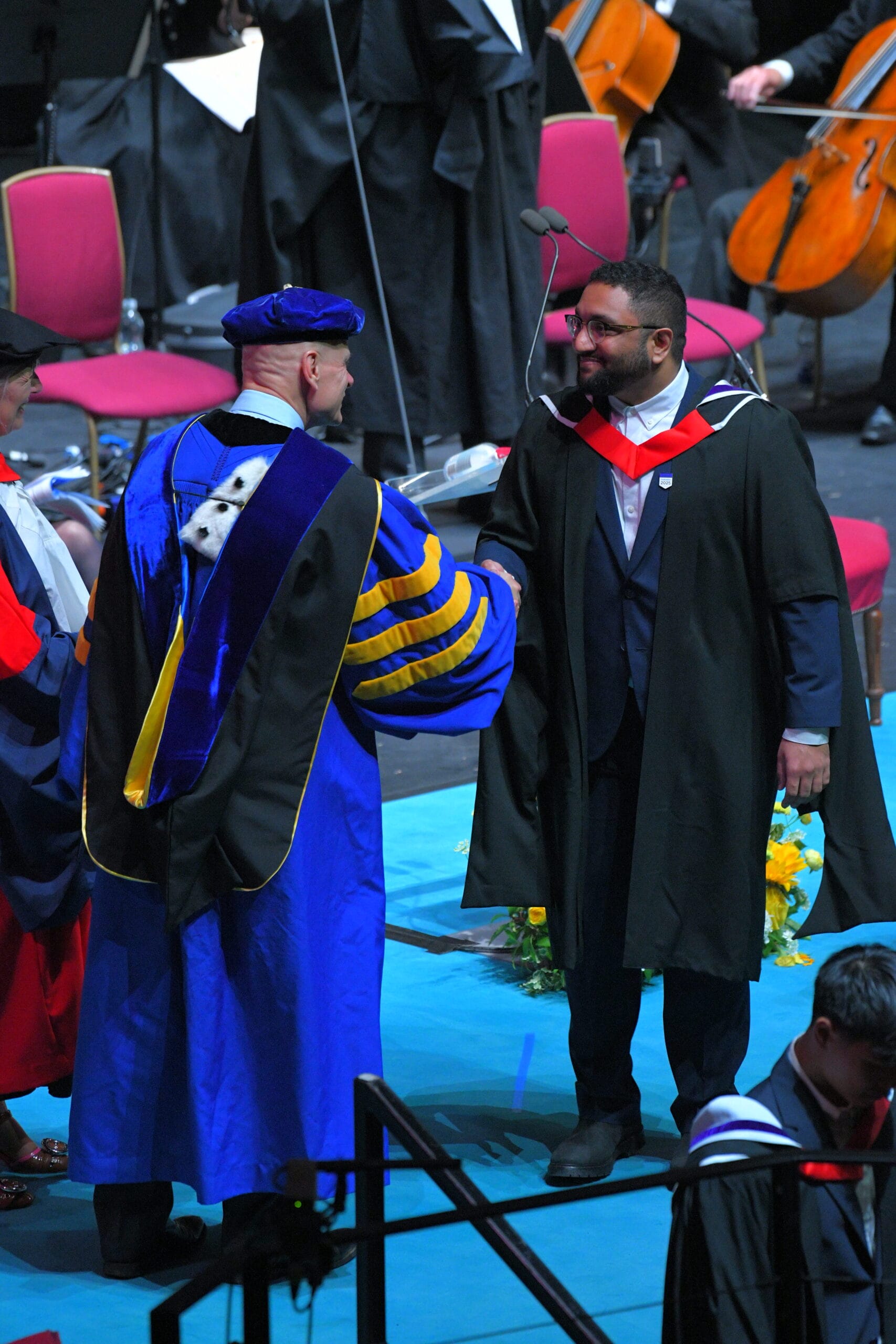
Hi, I’m Dr Ahmed Kazie
I’m an Acute Medicine Doctor working in the NHS and the founder of Happy Medics.
I’ve always been interested in how clinicians develop their diagnostic reasoning.
We spend years acquiring medical knowledge, but some of our most important learning happens when another doctor takes the time to explain how they think through a clinical problem.
- Why they ask a particular question.
- Why a finding changes their differential.
- And how they use what they know to decide what happens next.
I created Happy Medics to make that kind of teaching more accessible. My approach brings together clinical medicine, structured frameworks, published evidence and case-based learning.
I hope the teaching encourages you to become more deliberate and curious about your own clinical reasoning.
THE HAPPY MEDICS NEWSLETTER
Clinical reasoning is something we can keep developing.
And some of the most useful lessons come from examining everyday clinical decisions more closely. Every month, I share three different perspectives on how we think through medicine.
Clinical Decisions Explained
Real clinical cases that explore the reasoning behind important diagnostic and management decisions.
Diagnostic Reasoning
Interesting findings from the medical literature, explained through the practical lessons they offer clinicians.
Perspective
Reflections on clinical judgement, uncertainty and the skills that help us become better thinkers in medicine.
No endless revision lists or generic motivational emails.
Just thoughtful, clinically relevant teaching for doctors who enjoy understanding the reasoning behind their work.
Develop the way you approach clinical problems.
From your first acute take to more complex clinical decision-making, there’s always something new to understand about how we practise medicine. Explore our teaching, discover a different approach to learning and find what will be most useful for your own clinical development.